Imposter
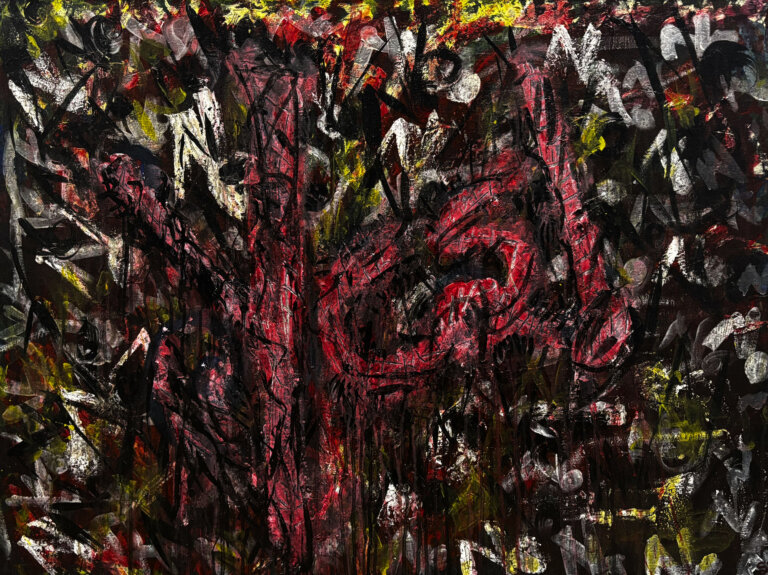
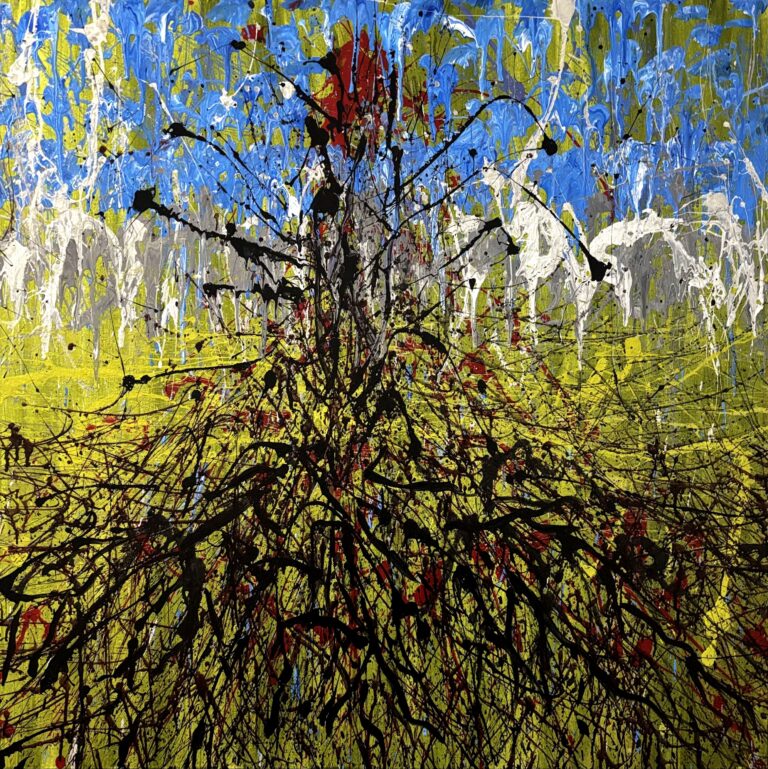
Imposter emerges from a long-standing internal conviction of failure—feeling unworthy despite sustained effort and visible achievement. For much of my life, this inadequacy was mistaken for external pressure. Only recently, through wider discourse on imposter syndrome, did I recognise it as an internalised psychological condition rather than an objective truth. When encountering the archetypes of impostorism, I saw myself reflected in almost every one. While time and self-awareness have loosened some patterns, others remain entrenched—particularly the Perfectionist and Superperson imposters—driving compulsive flawlessness, overperformance, and constant self-surveillance. Imposter marks a decisive shift in my practice: a full commitment to psychological inquiry, articulating internal mental states as ongoing lived conditions rather than narratives of resolution.
Survival
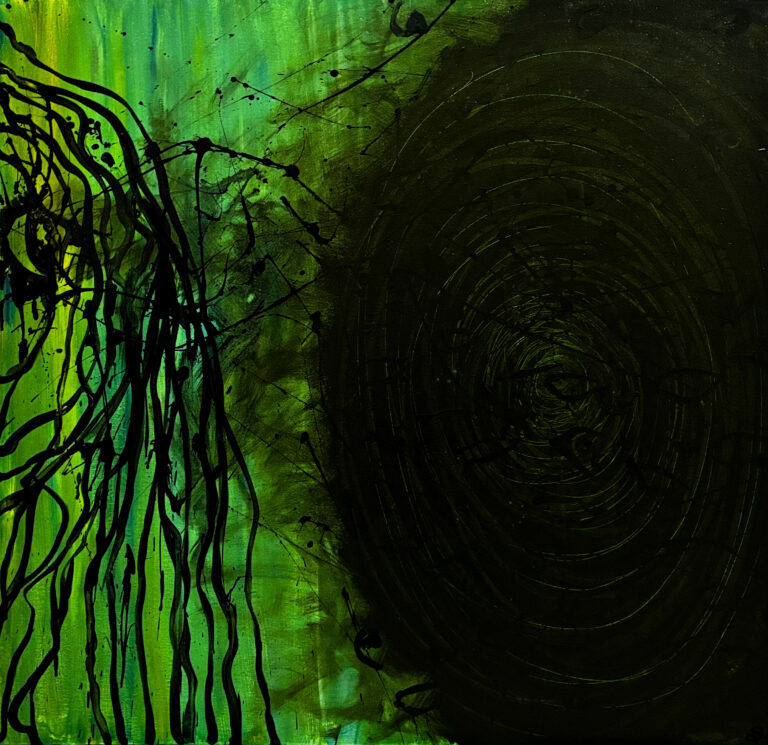
Just trying to live one more day—nothing more, nothing promised.
The Invisible Blood
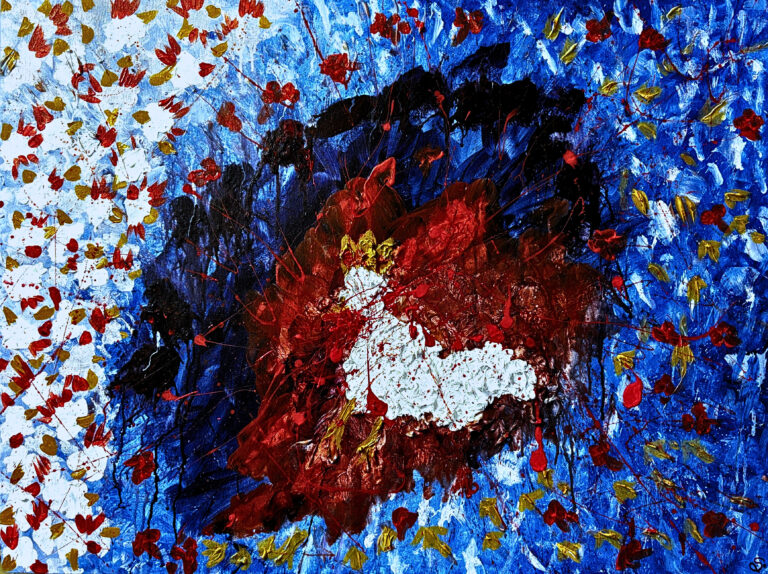
I suffered from depression long before I knew how to name it. I smiled through difficult moments—through hurt and insult—not out of resilience, but numbness. I believed everyone was kind, unaware that I was burying my own pain deep within my mind for years.People often said, “You are so strong. You smile so much. You can’t be depressed.” When I spoke of my struggle, a recent smile was offered as proof that it wasn’t real. Only recently did I understand that I had been performing strength my entire life. I smiled when I didn’t want to. I smiled when I was wounded. I smiled because feeling itself had shut down.I am still strong—not because I avoided depression, but because I am surviving it. Getting ill is not the hardest part; survival is. Mental illness is deeply invisible and misunderstood, yet it is not the only unseen pain. In this series, I explore invisible suffering—human and beyond—giving form to what is often ignored.
NUMBNESS
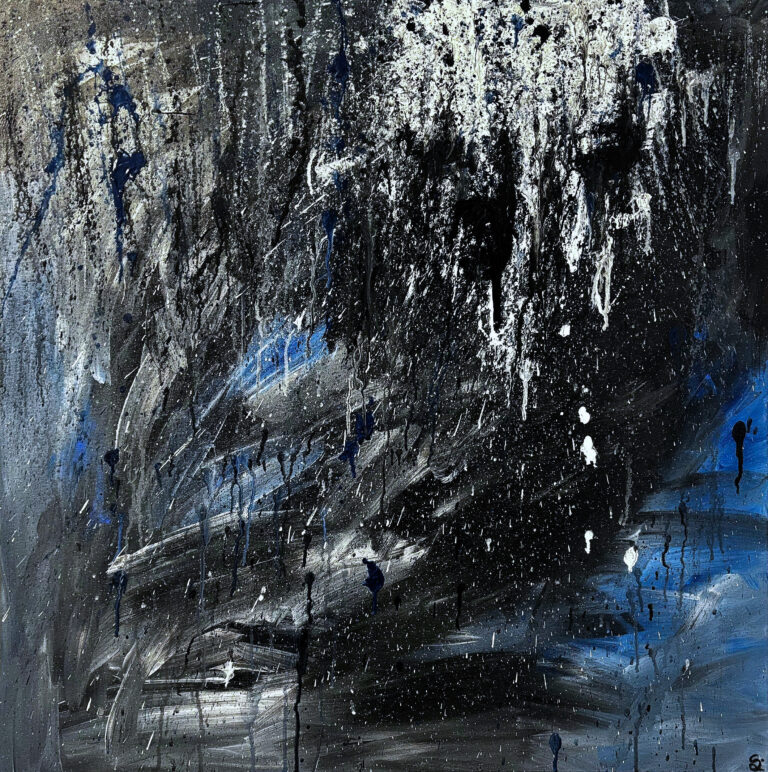
Vision exists, but focus does not. You are awake, yet the world arrives blurred—visually, mentally, emotionally. I told psychiatrists I could not see properly; they told me to “fight,” as if effort could override a body that had ceased to respond. Survival began with the impossible task of getting out of bed. This wasn’t laziness, but incapacity—the collapse of initiation itself. Standing up felt like crossing centuries of weight. This blurred world is not a metaphor. It is a perceptual reality from which many never return. The only word that holds it is NUMBNESS. This series, NUMBNESS, confronts that state directly. It challenges those who dismissed my previous work as “decorative,” a label that reveals their distance from the void. If this is the world as seen from the inside—weighty, unreachable, and blurred—how, exactly, would you decorate it?
The Eight Minds
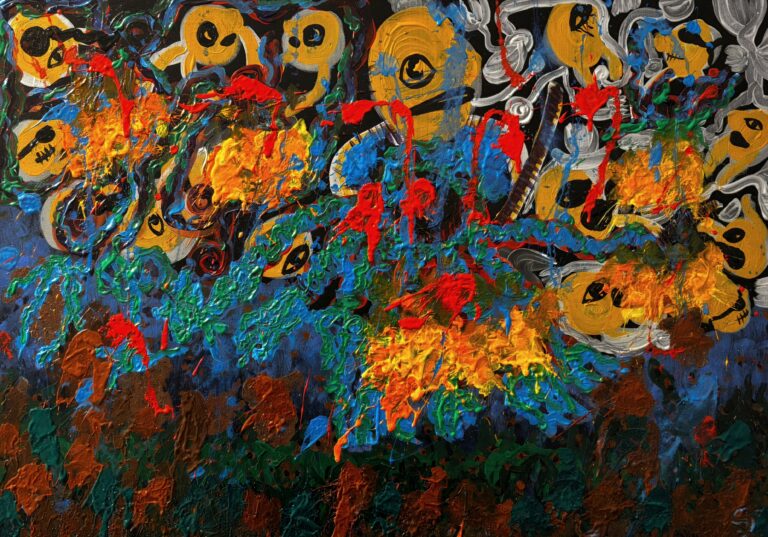
The Eight Minds is inspired by how an octopus thinks — not through a single brain, but through many interconnected centers of intelligence. A creature so extraordinary that scientists and researchers are still trying to understand how its many minds truly work. In this series, the octopus becomes a metaphor for the human mind, which is just as layered, conflicted, and multidimensional. Each artwork captures a different internal state — the impulses we bury, the emotions that collide, the thoughts that fracture, and the many versions of ourselves operating simultaneously. Through bold color and textured abstraction, The Eight Minds explores the reality that both humans and octopuses hold multiple “minds” within a single body — a shifting, unpredictable, deeply emotional inner world.
Absolute Numbness (2025)
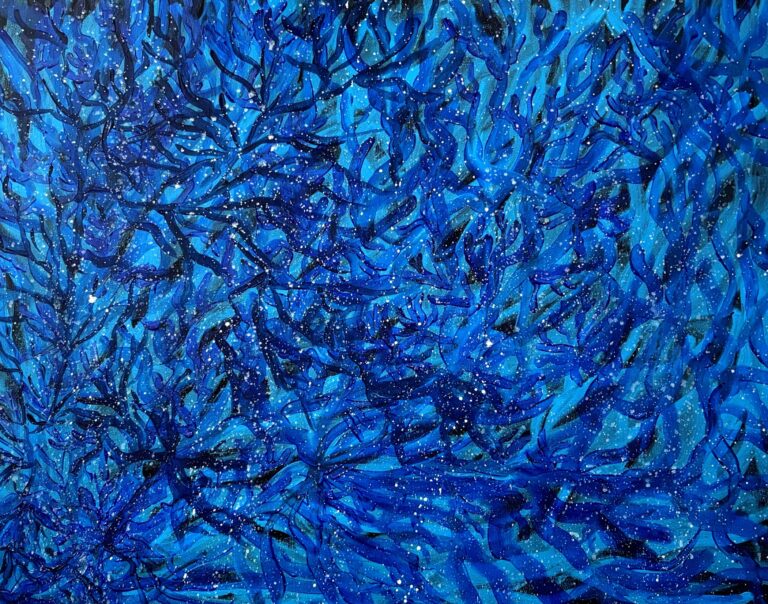
This body of work emerged from a period of emotional numbness, when the ability to feel was suspended but the impulse to create persisted. I wanted to feel color again—to experience light, warmth, and movement—yet I was repeatedly drawn toward darkness. Works created during this time carry that tension: the desire to begin again alongside an unresolved inner stillness. Paintings and drawings from this phase do not illustrate recovery; they document endurance. Color appears not as emotion fully felt, but as something reached for, tested, and sometimes resisted.